









Cinnamon
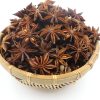
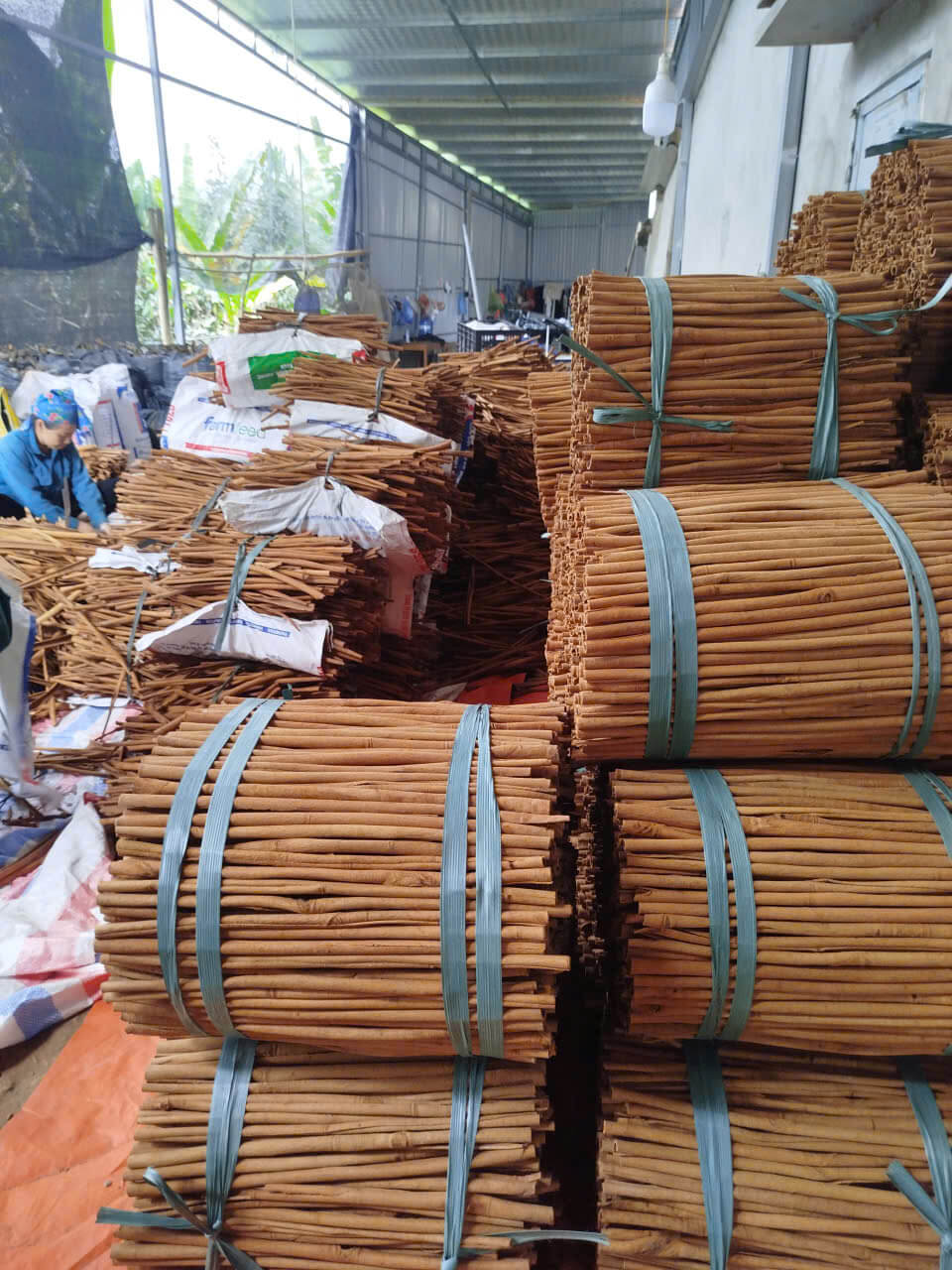
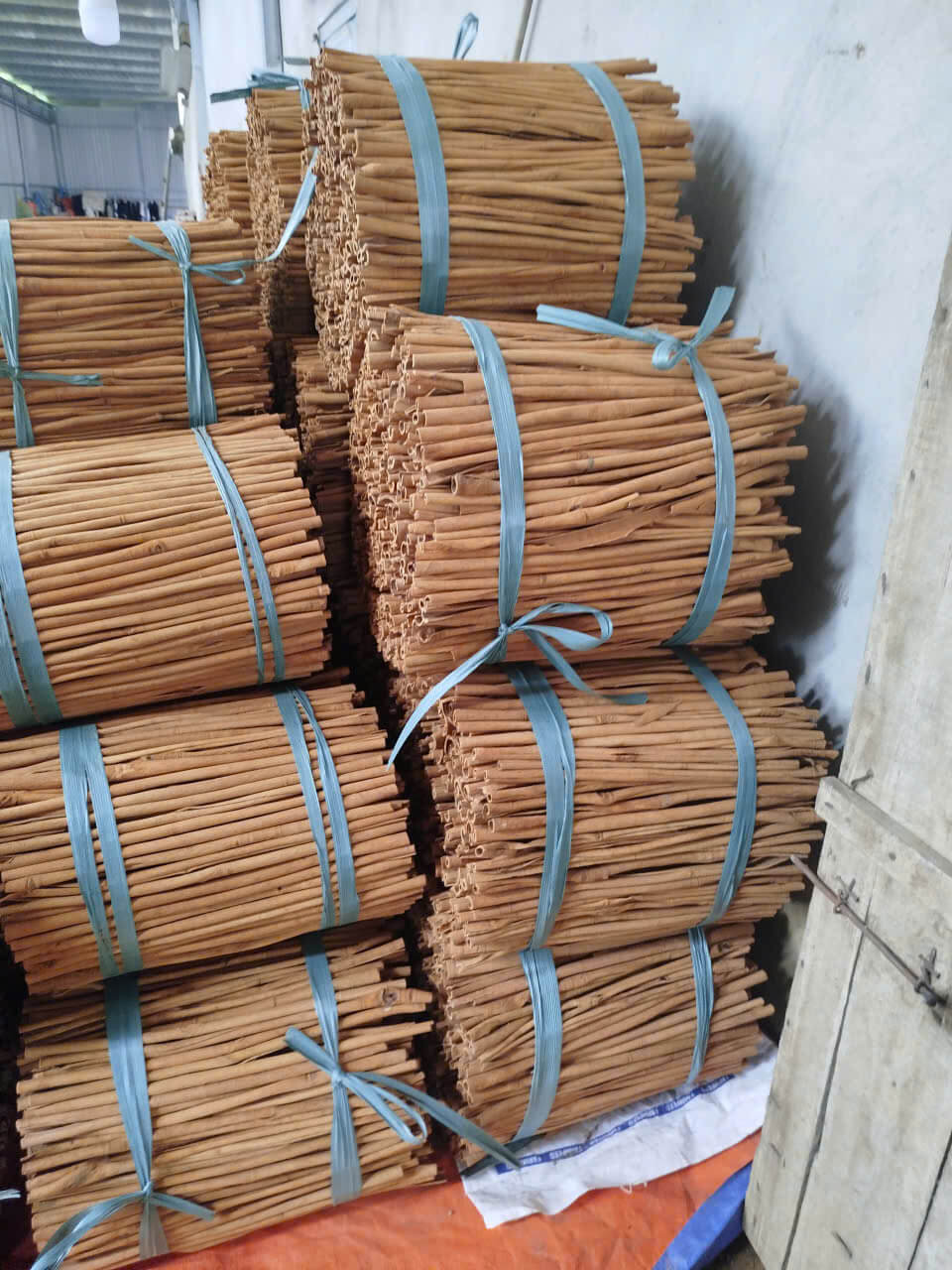
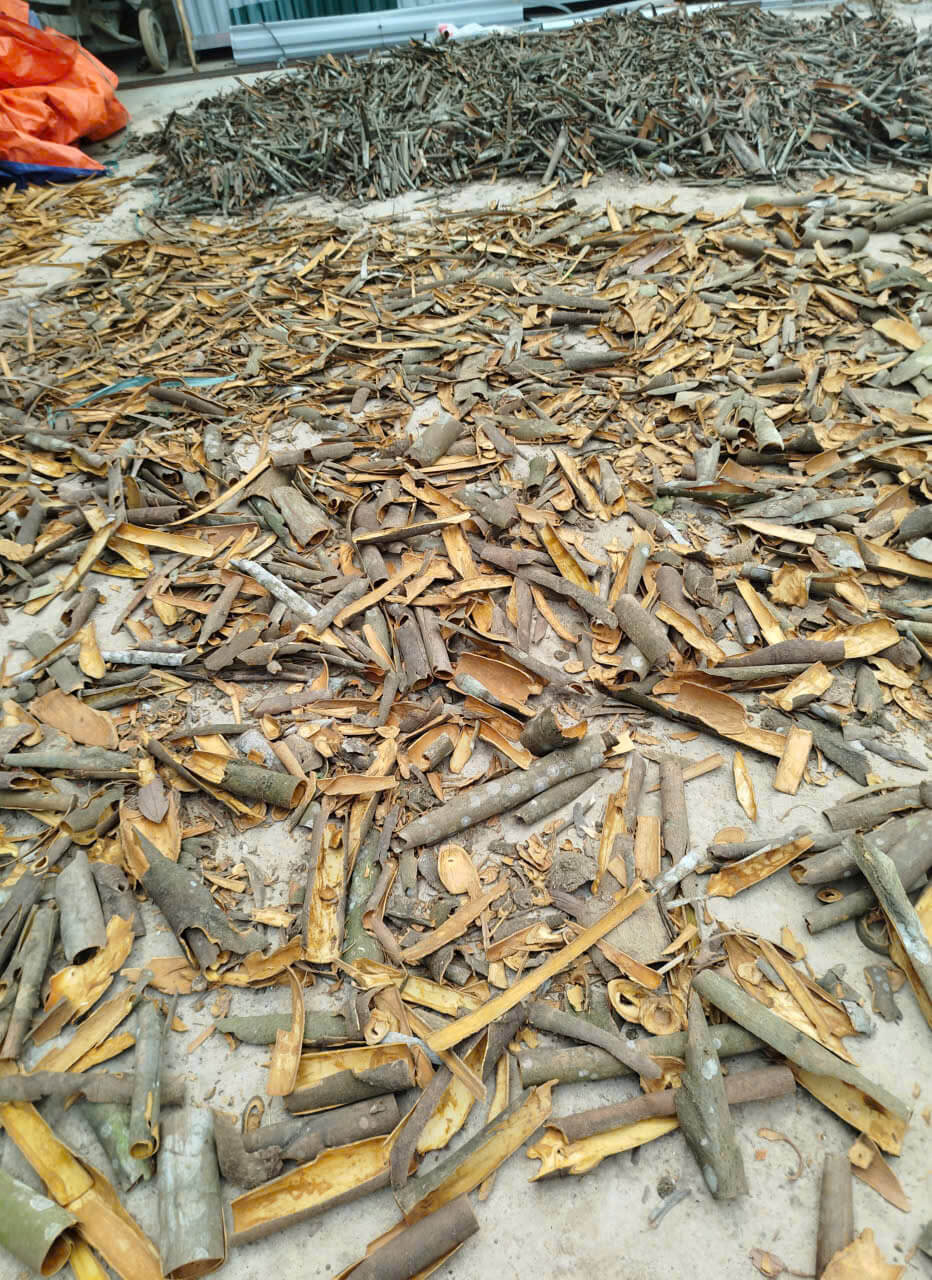
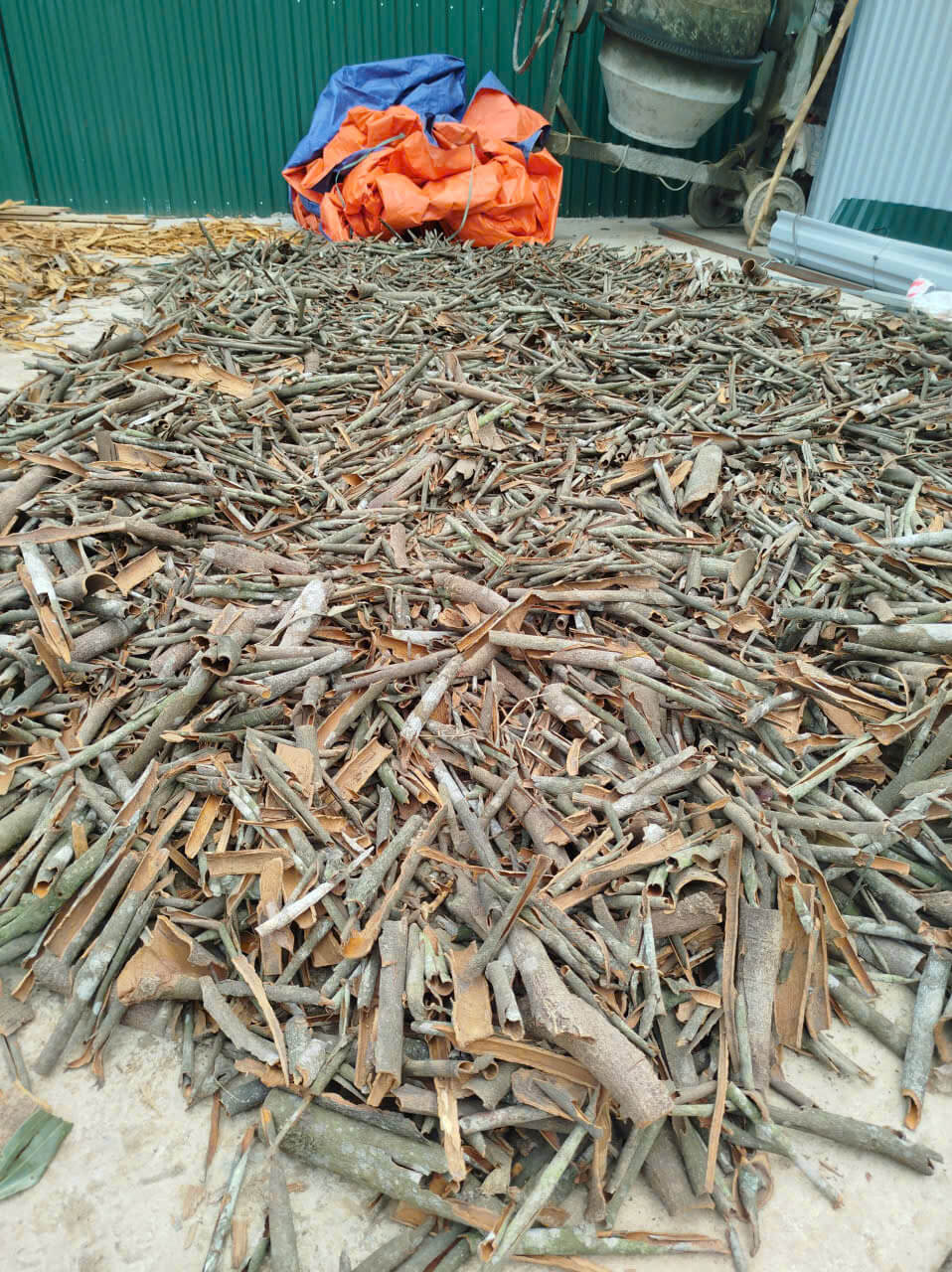
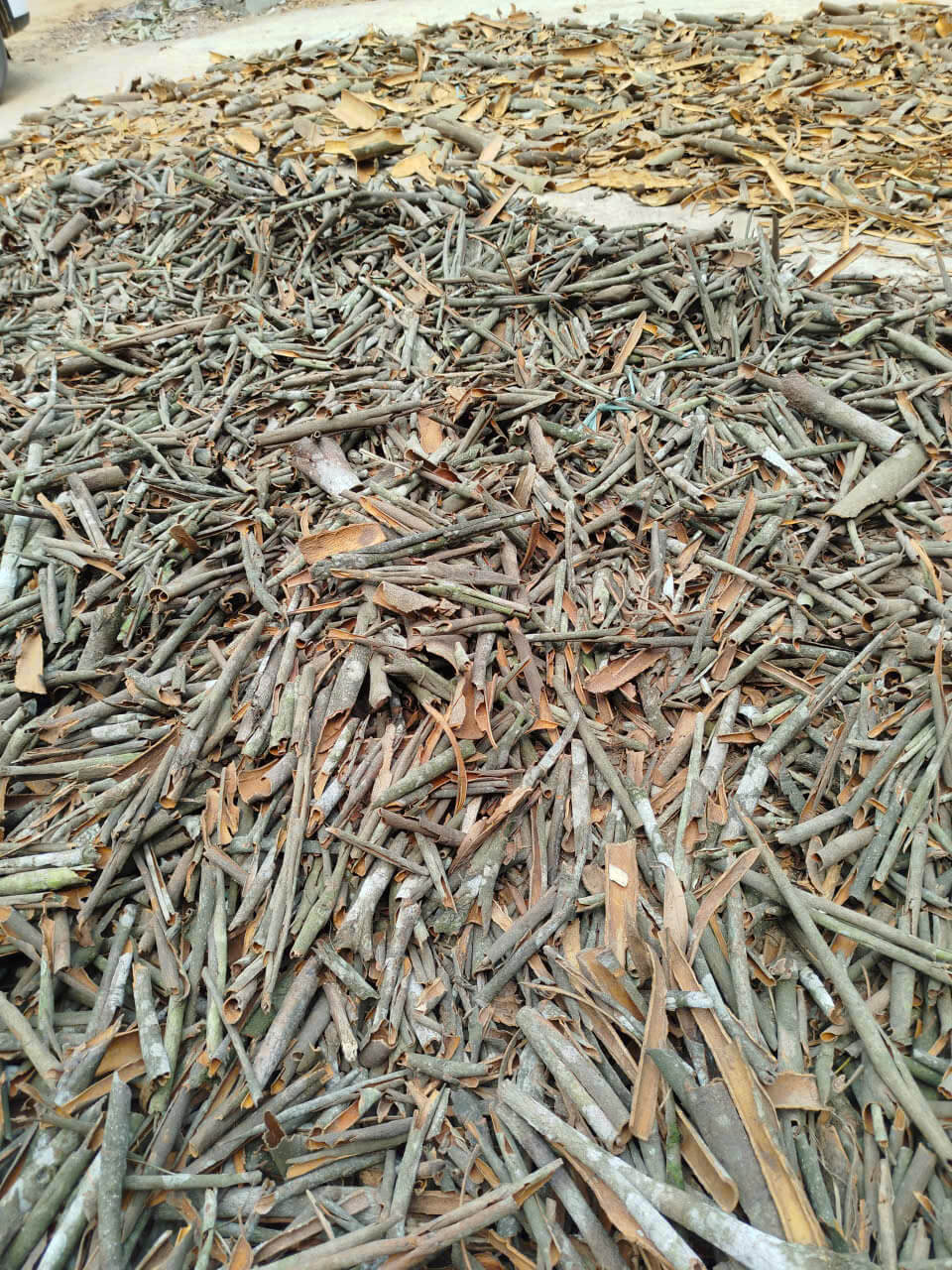
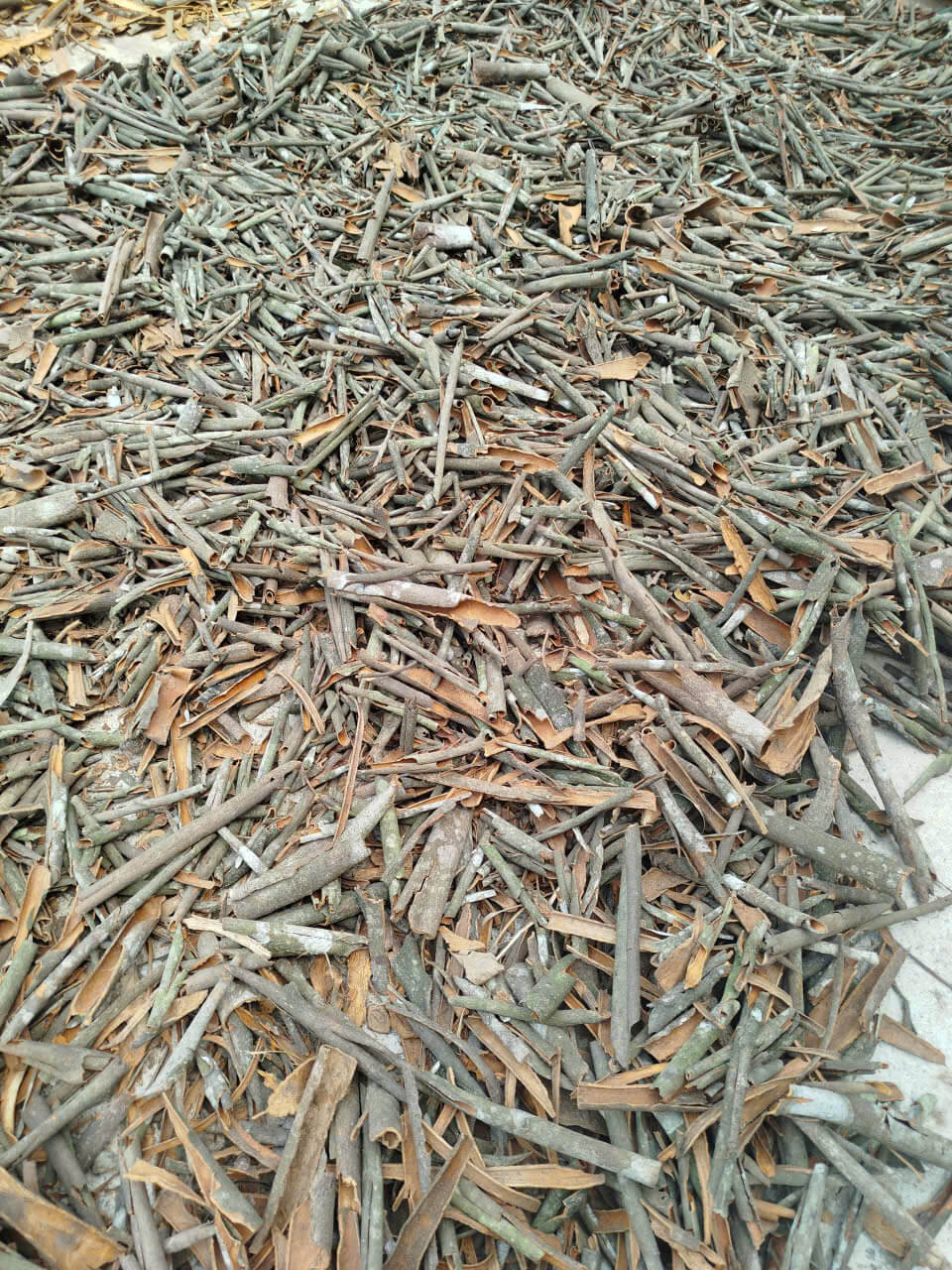
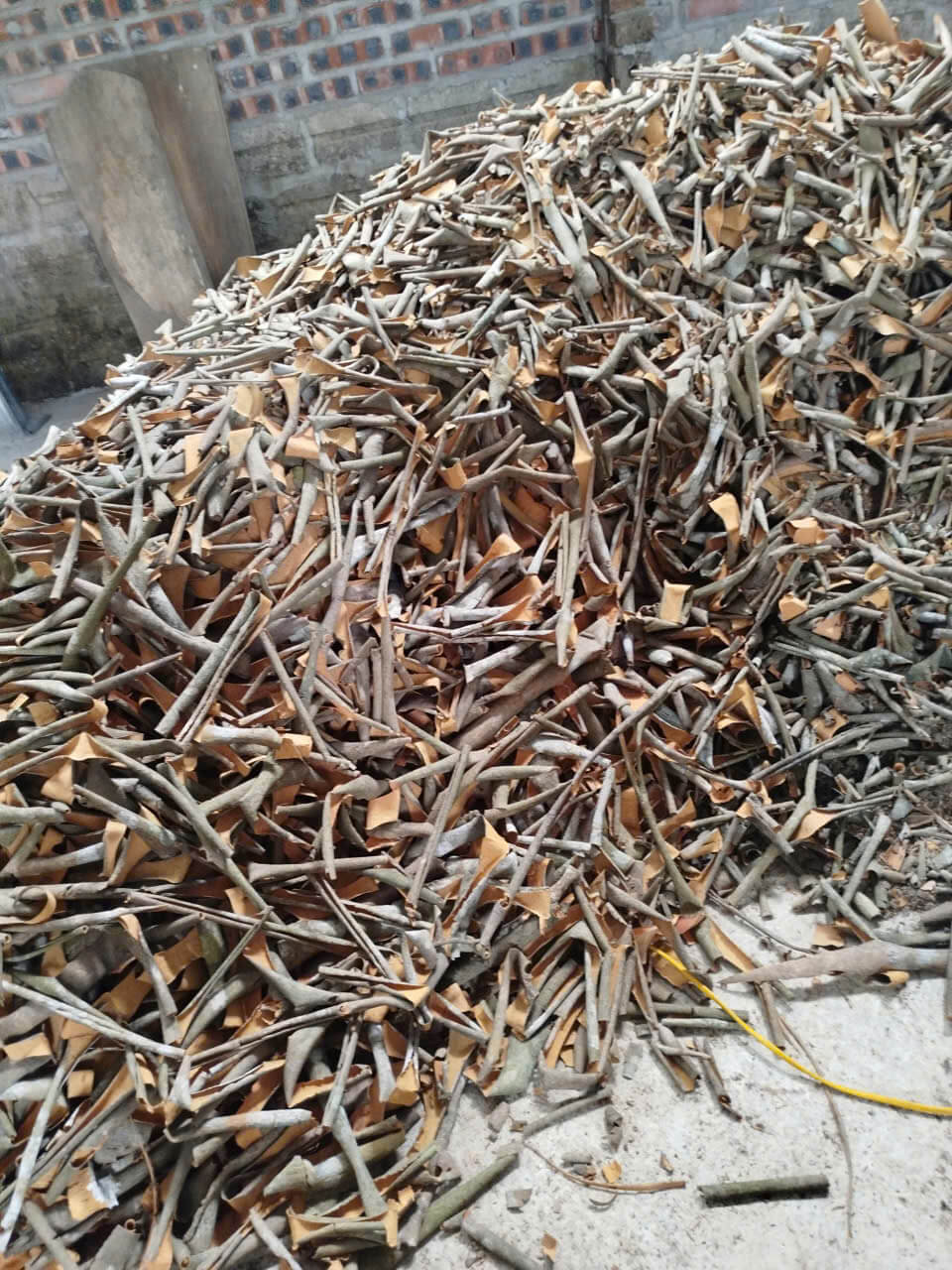
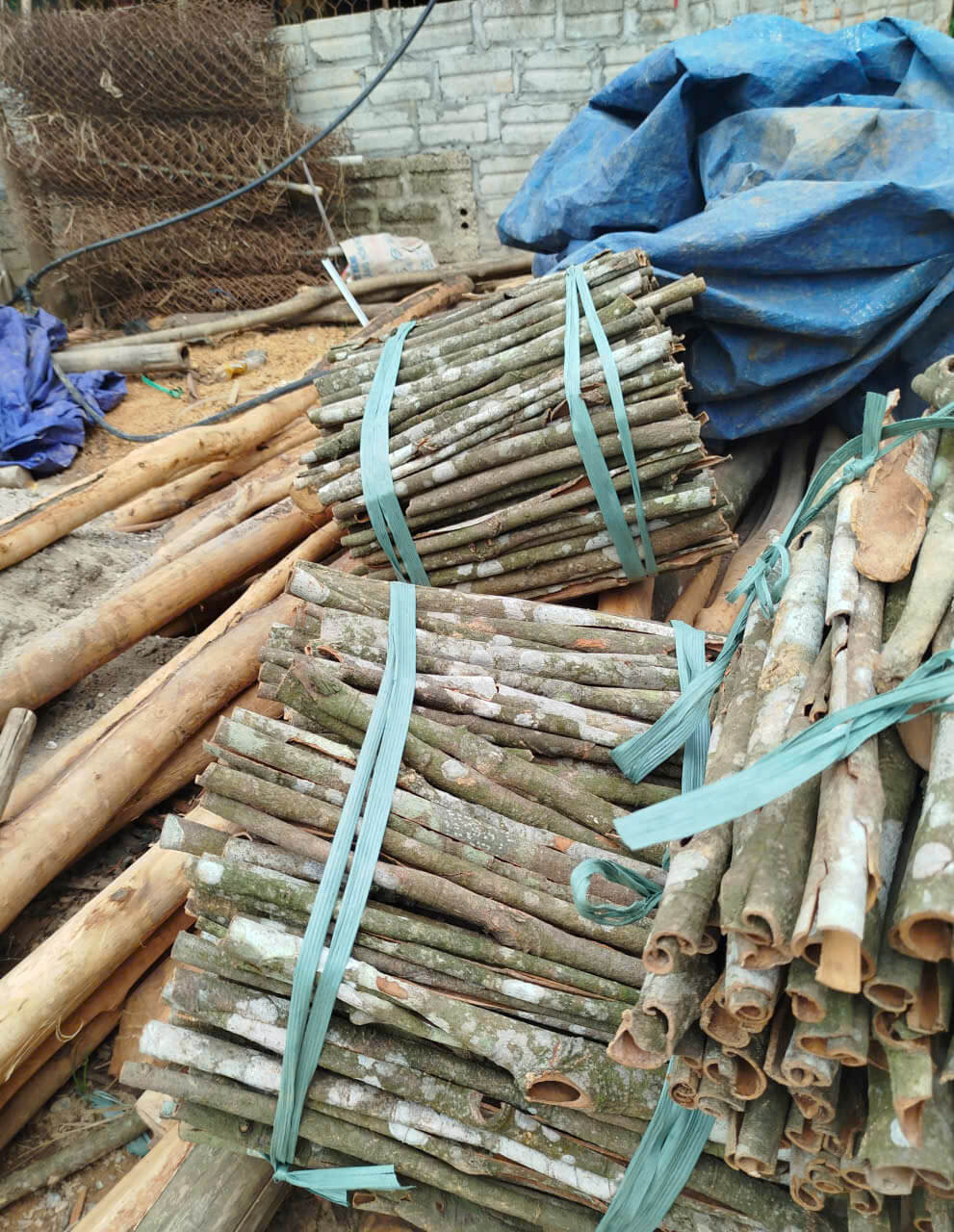
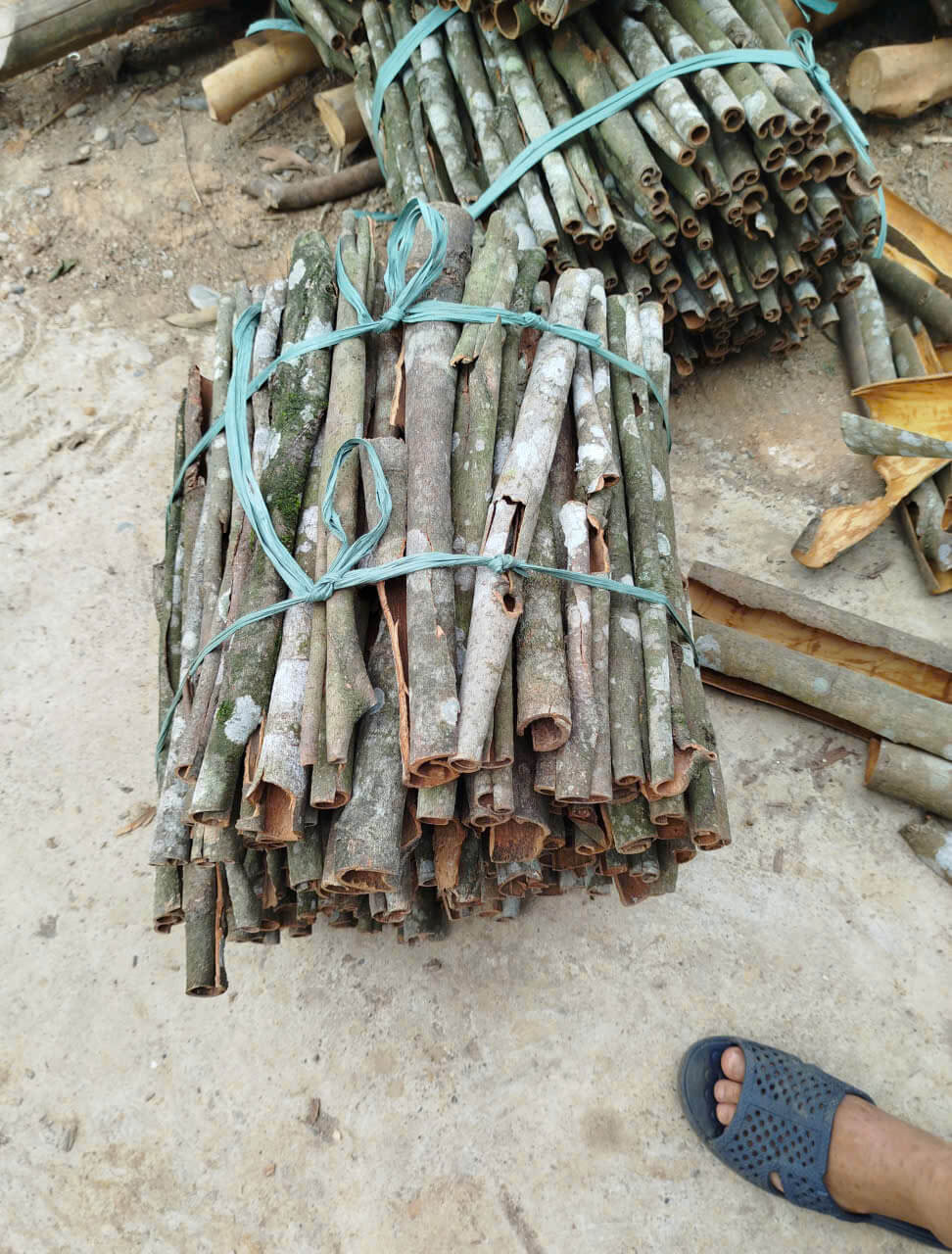
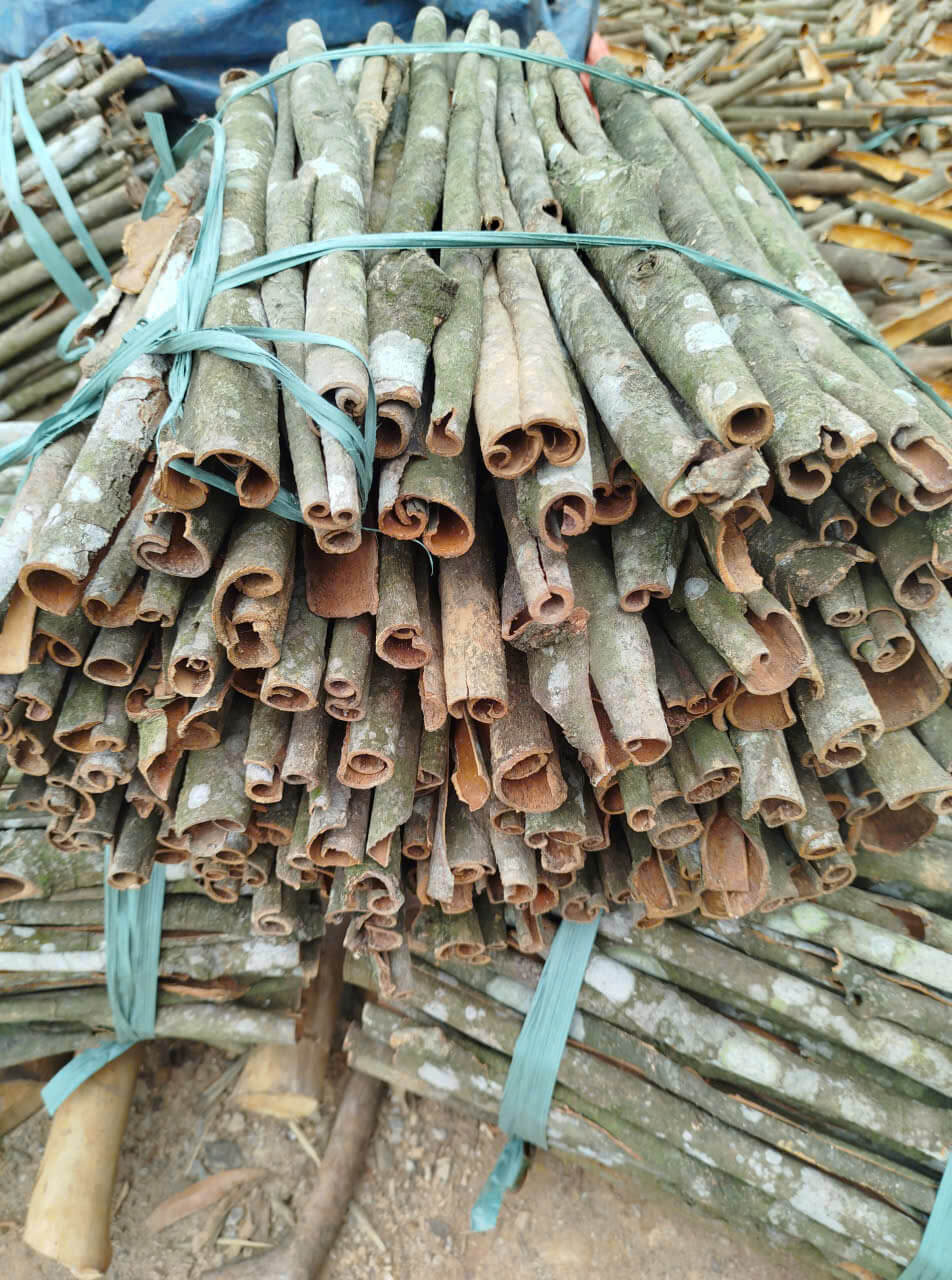
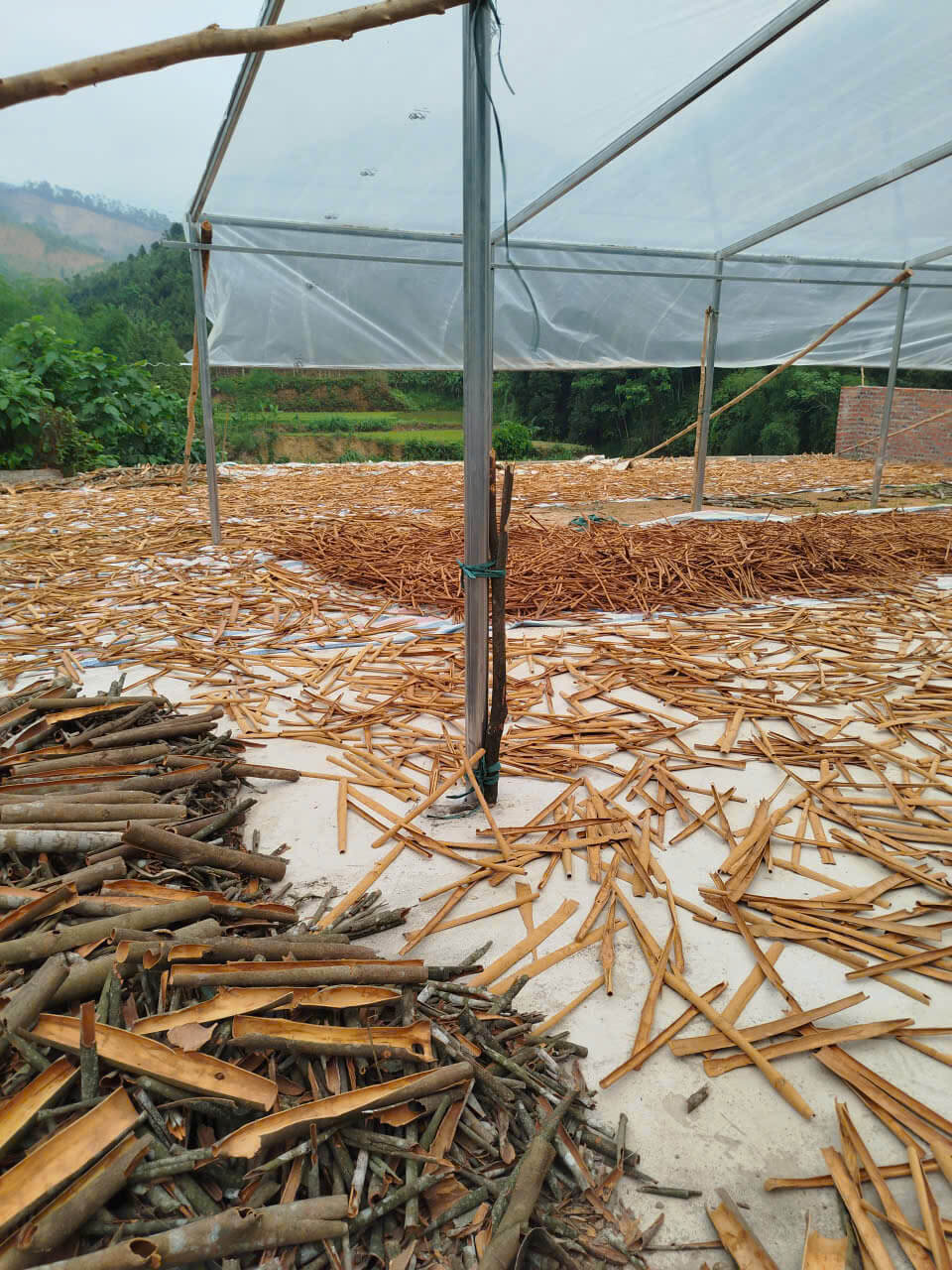
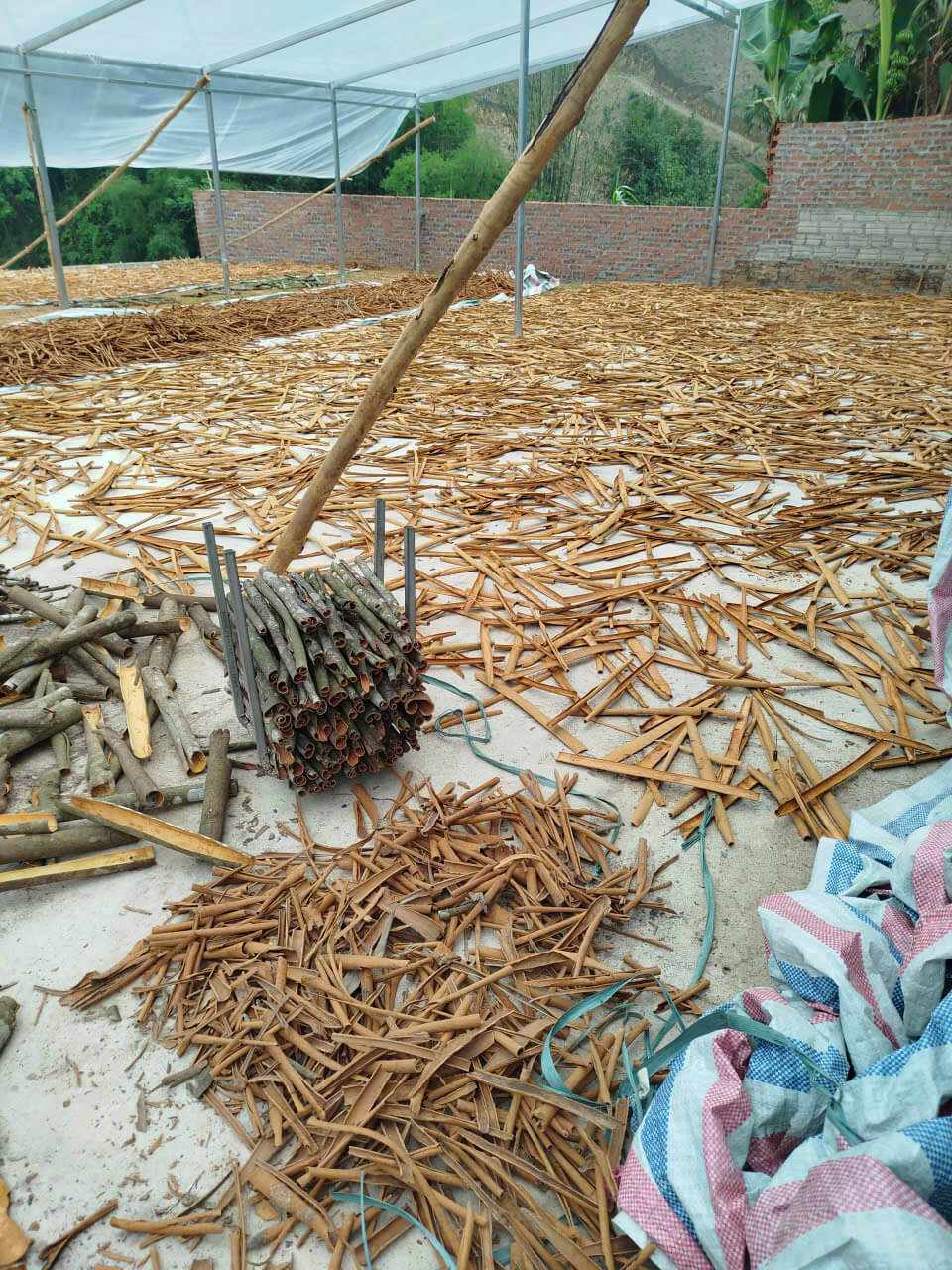
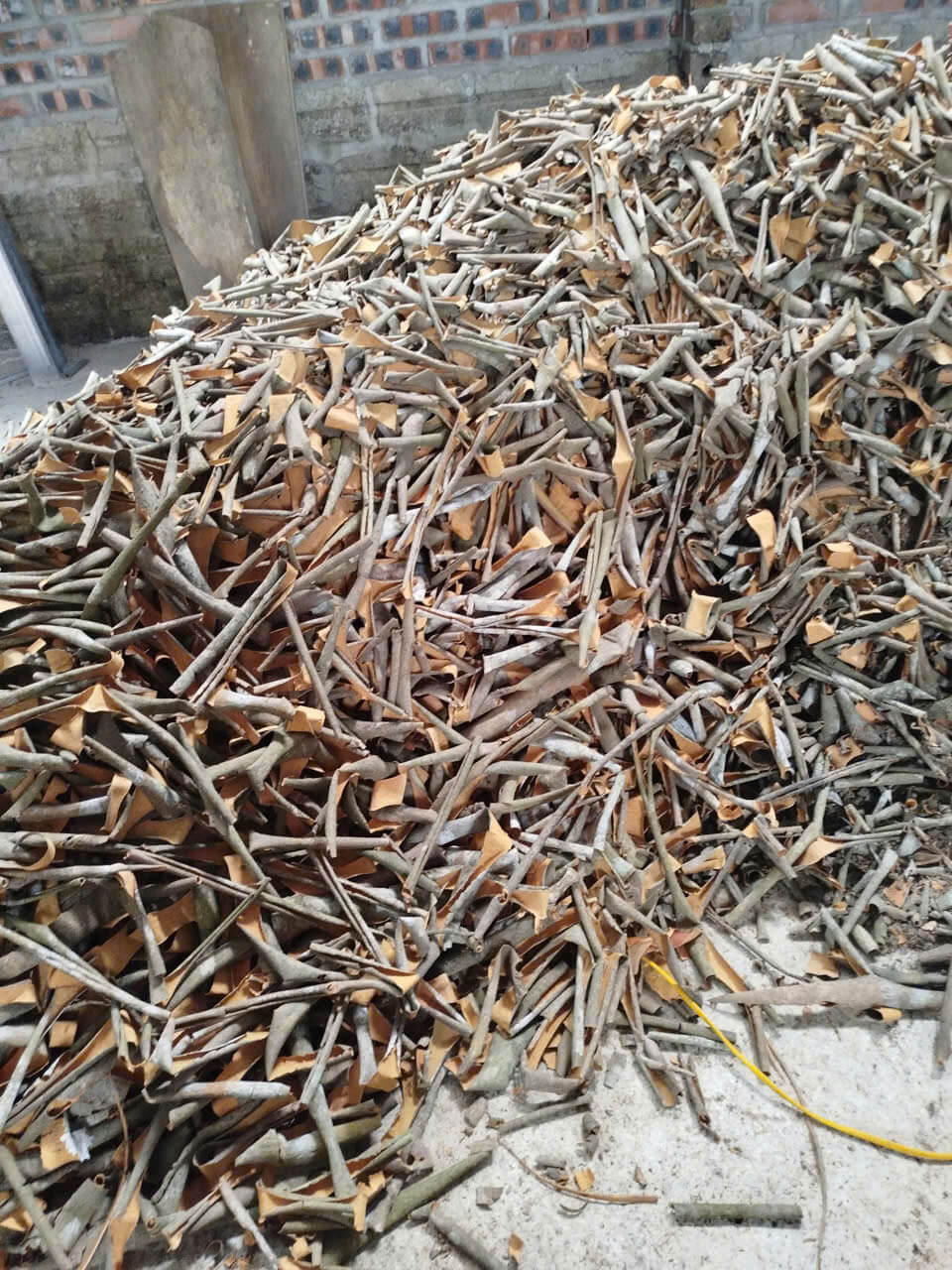
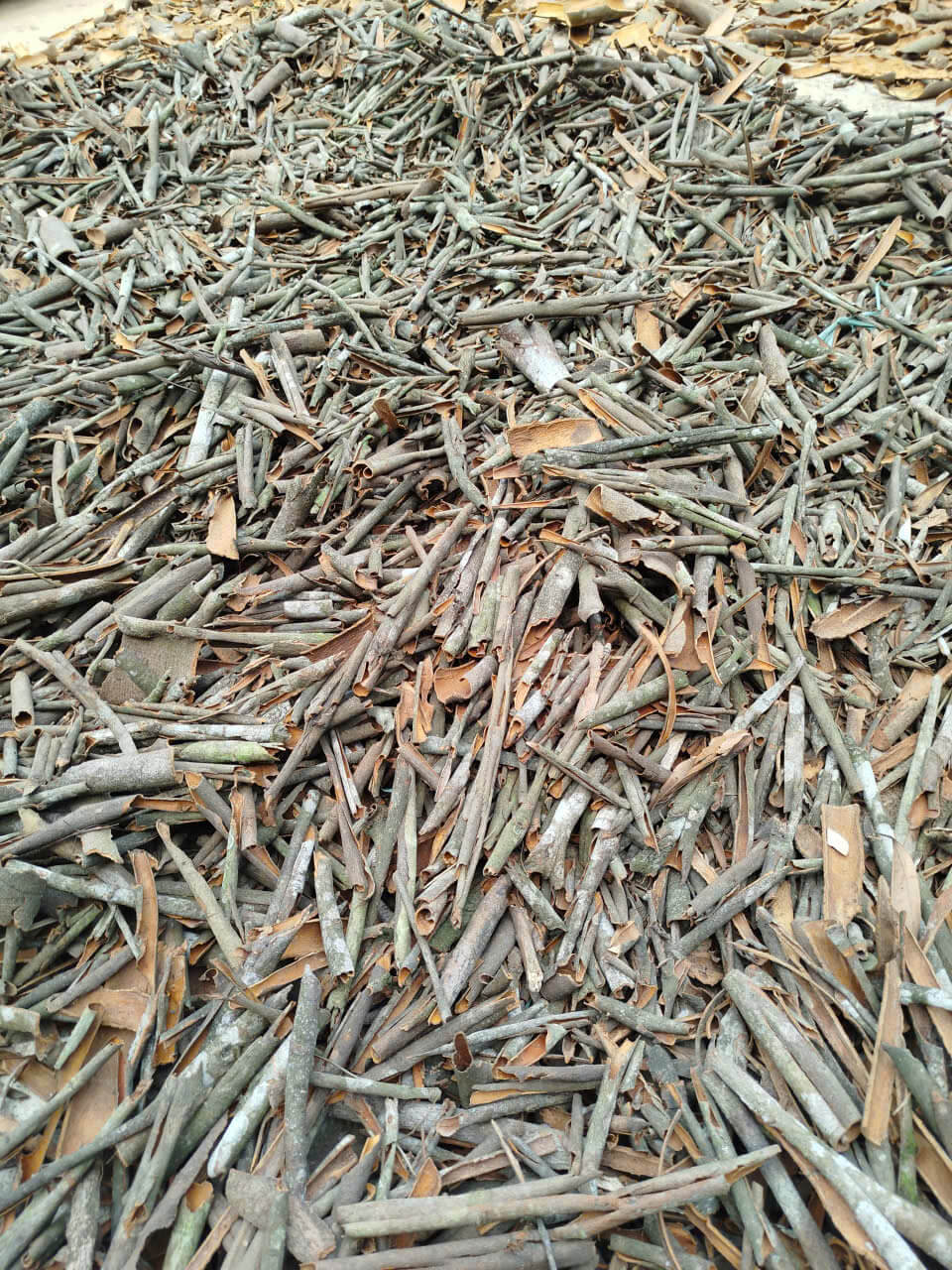
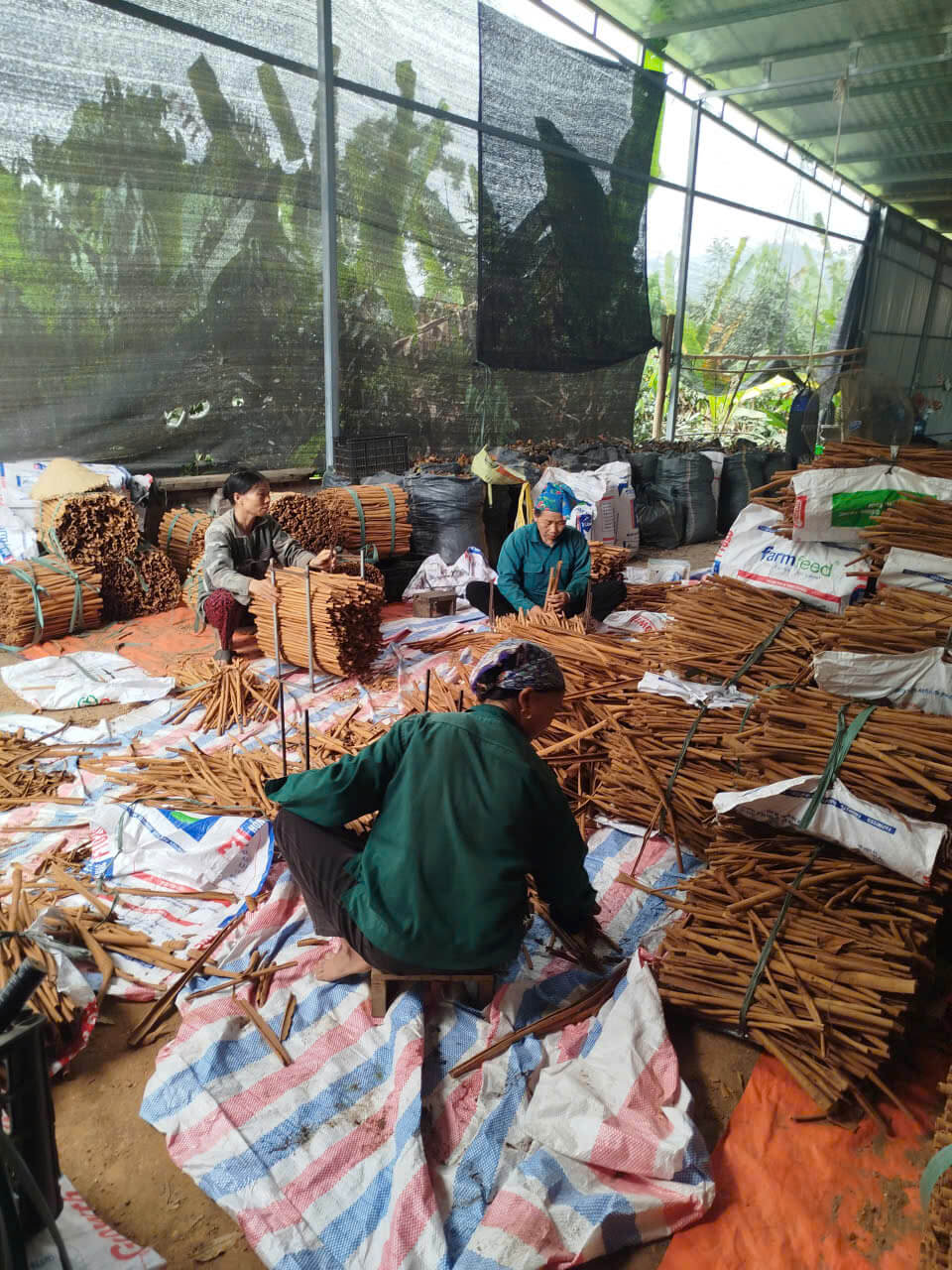
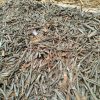
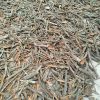
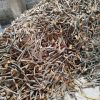
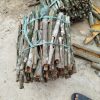
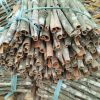
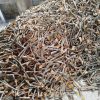
Cinnamon is the bark of the trunk and branches of trees belonging to the genus Cinnamomum, famous for its spicy flavor and distinctive aroma. It is used as a spice, medicine, and has many health benefits such as antioxidant, anti-inflammatory, digestive support, and blood sugar reduction. There are many common types of cinnamon, such as Cassia cinnamon (China) and Quan cinnamon (Sri Lanka), with Vietnam being a leading exporter of cinnamon worldwide, mainly grown in the northern mountainous regions.
Cinnamon is the bark of the trunk and branches of trees belonging to the genus Cinnamomum, famous for its spicy flavor and distinctive aroma. It is used as a spice, medicine, and has many health benefits such as antioxidant, anti-inflammatory, digestive support, and blood sugar reduction. There are many common types of cinnamon, such as Cassia cinnamon (China) and Quan cinnamon (Sri Lanka), with Vietnam being a leading exporter of cinnamon worldwide, mainly grown in the northern mountainous regions.
Characteristics of the Cinnamon Tree
- Trunk: A woody tree 10-20m tall, with smooth, gray bark.
- Leaves: Alternate, with short petioles, three arc-shaped veins, glossy green on the upper surface, dark green on the lower surface.
- Flowers: Grow in clusters, white, with a distinctive aroma.
- Fruit: Egg-shaped, turning purplish-brown when ripe, smooth and glossy.
- Distribution: Widely cultivated in Vietnam (Yen Bai, Quang Ninh, Thanh Hoa, Quang Nam) and many other parts of the world.
Main Uses
- Spice: Used in cooking (tea, dishes) to create delicious flavors.
Medicine:
- Traditional: Treats stomach pain, diarrhea, muscle cramps, back and knee pain, and colds.
- Modern: Antioxidant, anti-inflammatory, lowers blood sugar, improves insulin sensitivity, protects cardiovascular health, and prevents infections.
- Essential oil: Used for massage, strong antiseptic, and stimulates blood circulation.
Types of cinnamon
- Cassia cinnamon: The most common, originating from China, with a spicier and more aromatic flavor.
- Quan cinnamon (Ceylon/Sri Lanka): Considered \”true cinnamon,\” with a milder flavor.
- Vietnamese cinnamon (Tra My/Thanh/Saigon): (Cinnamomum loureiroi), an important type of cinnamon in Vietnam.
Related products
Agricultural Products
Agricultural Products
Agricultural Products
Agricultural Products
Agricultural Products
Agricultural Products & Medicinal Herbs
Agricultural Products
Agricultural Products & Medicinal Herbs