



White horses and colored horses


With nearly 10 years of experience in the livestock sector, especially in high-quality cattle farming, Vsapat Tay Bac has established farms that collaborate with local farmers in the production of cattle, buffalo, wild boar, white horse, and deer. In particular, our program focuses on high-yield cattle farming, specifically Zebu breeds (Sim and Bradman…) and other high-yield beef breeds like BBB, meeting market demands.
White horses are a rare breed of horse with pure white coat, pink skin, reddish-pink/blue eyes, and pinkish natural orifices (nose, genitals). The most noticeable difference is that the eye rims of white horses are pinkish/brass-colored, while ordinary white horses (golden horses) have black eye rims. White horses are caused by a recessive gene mutation, are rarer than ordinary white horses (white coat but normal skin and eyes), and are valued for making white horse bone extract and for their bones to be used in medicine.
Distinguishing Characteristics Between White Horses and Ordinary White Horses (Golden Horses)
- Eyes (Most Important Identifying Feature):
- White Horse: Reddish-pink eyes, pupils appear bright red when illuminated; eye rims (areola) are pinkish/brass-colored.
- Ordinary White Horse: Eyes are usually black or brown, with black eye rims.
Skin:
- White Horse: Skin is pinkish-white or cloudy white, very thin.
- Ordinary White Horse: Skin is white, but may not be as pinkish as white horses.
- Natural Orifices (Nose, Mouth, Anus, Genitals):
- White Horse: All orifices are pinkish or reddish-pink, possibly brassy in color.
- Ordinary White Horse: These parts have a normal color (usually darker).
Hoofs:
- White Horse: Hoofs are ivory white.
- Rarity & Value:
- White Horse: Very rare, considered precious, used to make white horse bone extract for medicine.
- Ordinary White Horse: More common, not as valuable in medicine as white horses.
Regarding Colored Horses (Coat Color)
- “Colored horse” is a general term referring to the different coat colors of horses (brown, black, gray, spotted, etc.); while “white horse” refers only to white coat.
- Albino horses are a special variant of white horses due to genetic mutations, and are more valuable than normal white horses and other colored horses due to their biological characteristics and medicinal value.
Related products

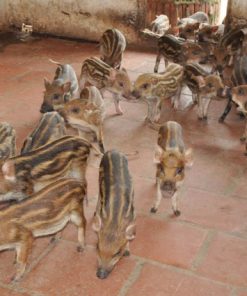
Plants and Seedlings

Plants and Seedlings

Plants and Seedlings
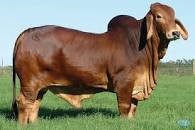
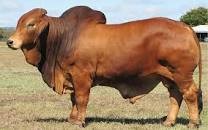
Plants and Seedlings

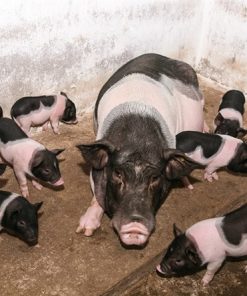
Plants and Seedlings

Plants and Seedlings

Plants and Seedlings

Plants and Seedlings