

1. Characteristics of Cassava
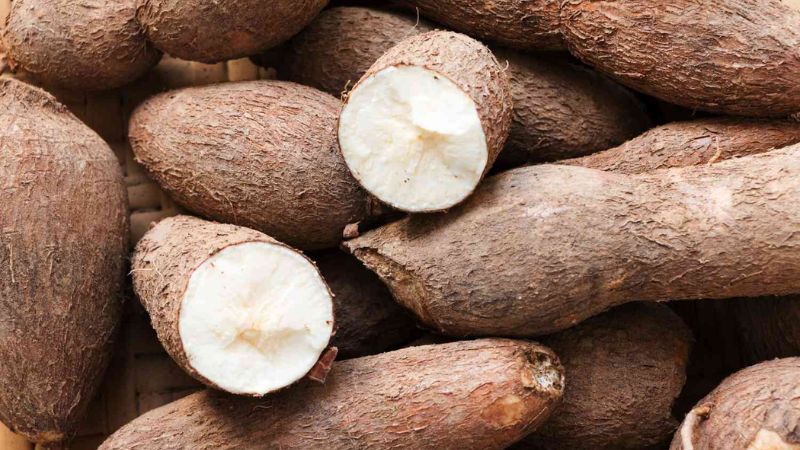
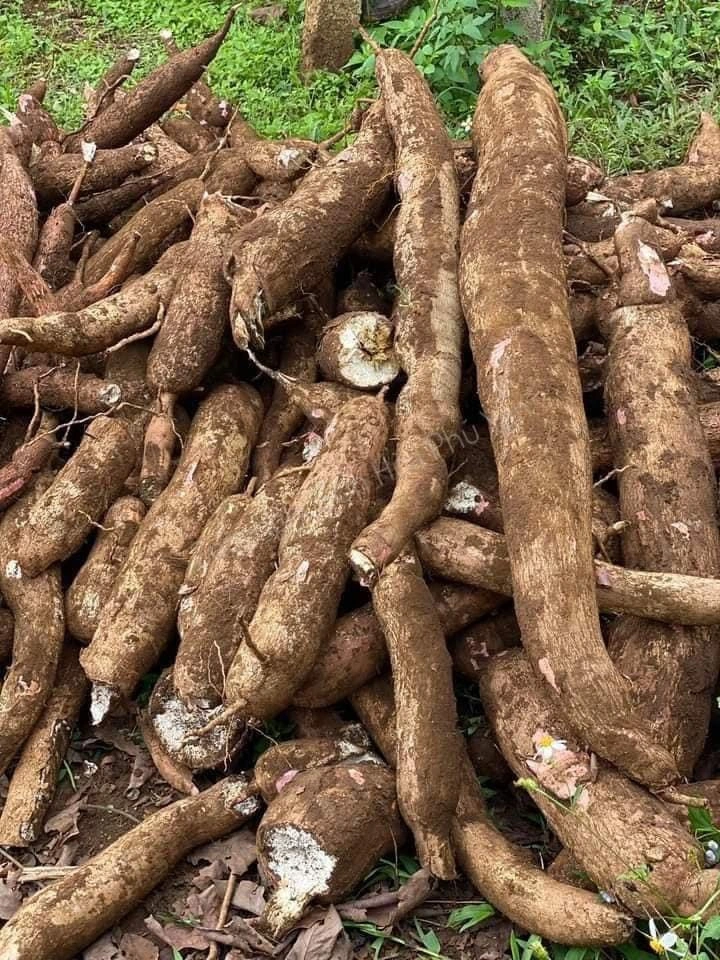
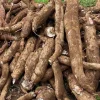
- Nutrition: A rich source of starch, carbohydrates, iron, and energy.
- Benefits: According to Thanh Nien newspaper, cassava helps boost energy, improve digestion, and support weight loss.
- Toxicity: Fresh cassava contains hydrocyanic acid (HCN), a toxin that can cause intoxication or food poisoning if not processed properly.
2. Safe preparation methods to avoid poisoning
- According to experts, to reduce toxins when eating cassava, you should:
- Peel: Remove the outer layer of skin and pith, as this is where most toxins are concentrated.
- Soak in water: Soak cassava in clean water (preferably rice water) for at least a few hours or overnight before cooking.
- Cook thoroughly: When boiling or steaming, leave the pot lid open to allow toxins to evaporate with the steam.
- Do not eat bitter cassava: Bitter cassava tubers usually contain higher than normal levels of toxins.
3. Groups that should limit consumption:
- Children: Due to their immature digestive systems, children are more susceptible to food poisoning than adults.
- Pregnant women: Should limit consumption to ensure the safety of the fetus.
- Besides being boiled directly, cassava is also the main ingredient in the production of tapioca starch – an indispensable component in many traditional Vietnamese desserts and cakes.
Related products
Agricultural Products
Agricultural Products
Agricultural Products
Agricultural Products & Medicinal Herbs
Agricultural Products
Agricultural Products
Agricultural Products
Agricultural Products & Medicinal Herbs